The word placemaking is everywhere right now. It is in the newsletters, in the conference session titles, in half the LinkedIn posts from people who run downtowns.
It is also one of those words that can mean almost anything, which makes it easy to nod along at a conference and go home with nothing you can actually do on Monday.
So here is the plain version.
What Placemaking Actually Means
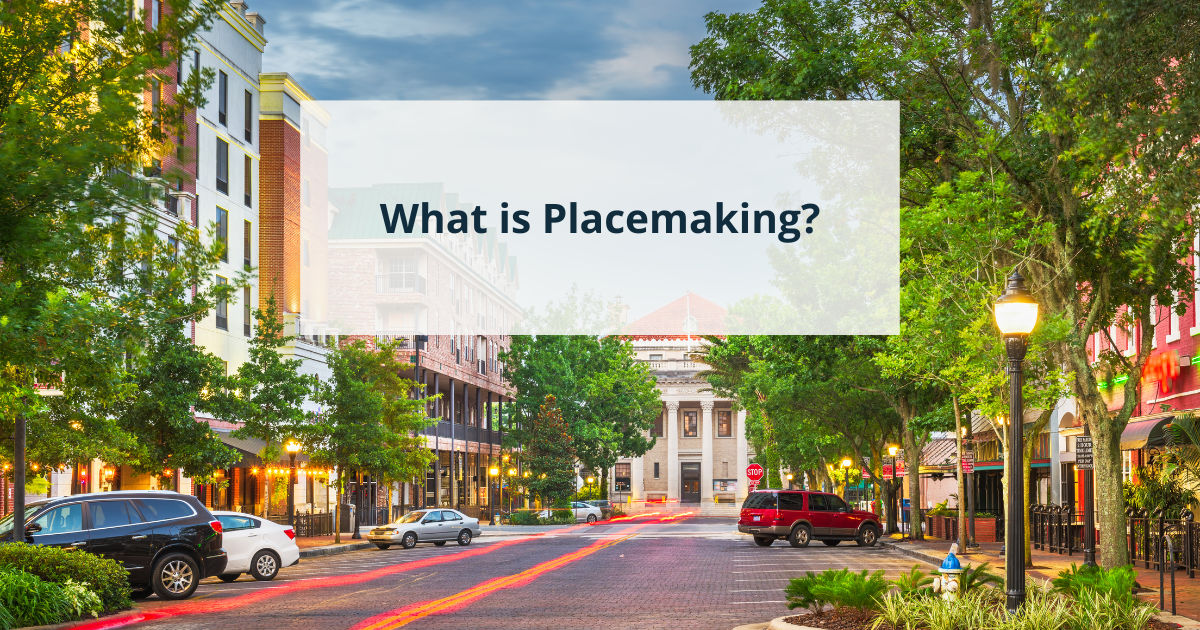
Placemaking is the work of making your place recognizable and worth going to.
Not just functional. Recognizable. There is a difference between a street where people can buy things and a street people choose to spend a Saturday on. The second one has an identity. People can picture it, describe it to a friend, and name what they like about it.
That identity does not appear on its own. Somebody builds it, one decision at a time. Which festival you run. Where the murals go. Whether the empty lot becomes parking or a plaza. What your district is called and whether anyone uses that name.
That is placemaking. It is less about a single big project than about a hundred small choices pointing the same direction.
Who the Placemakers Are
If you run a Main Street organization, a chamber, a business improvement district, or a DMO, you are a placemaker. Most people in these roles do not use the word, but the job is the same.
You are also not doing it alone. Your placemakers include the business owners who decorate their windows, the artist who painted the alley, the volunteer who has organized the same parade for eleven years, and the property owner who finally filled a vacant storefront with something good.
Your job is less to do all of it and more to point it in one direction, then make sure people can find it.
Where Events Fit In
Events are how most organizations do placemaking, whether or not they call it that.
An event gives people a reason to come downtown who otherwise would not, and a good one changes how they think about the place afterward. Somebody comes for a restaurant week and discovers a bookstore they now visit monthly. That discovery is the actual product. The event is just the excuse.
Which is why the events that build a place are the ones that spread people across the whole district instead of concentrating them in one closed street. A passport challenge or a scavenger hunt does this well, because completing it requires walking past businesses you were not planning to visit.
Recurring beats one-time. An art walk on the first Thursday of every month builds an identity. A one-off festival in June builds a nice memory.
What Tech You Actually Need
Placemaking used to mean bricks and benches. Now a large part of it happens on a phone, because that is where people decide whether your district is worth the drive.
You need less than you think. Three things:
- Something that shows people what is here. A map or guide of your district that works on a phone, is current, and is public. If a visitor cannot find out what is on your street in ten seconds, your marketing budget is leaking.
- A way to reach people again. Every visitor who shows up is a contact you either capture or lose. Email and text lists are how a one-time visitor becomes a regular.
- A way to know what worked. Which events drew people, where they came from, which businesses they visited.
Proxi covers all three in one place, which matters mostly because the alternative is four tools that do not talk to each other and a spreadsheet nobody has updated since March.
How to Pay for It
Placemaking has a funding problem, which is that the results are real but diffuse. It is hard to invoice for a nicer street.
The organizations that fund this well tend to do it in three ways. They sell sponsorships on the activations themselves, so a bank's logo sits on the map everyone is using. They charge businesses for placement or membership. And they sell tickets to the events that can carry a ticket price.
The common thread is that all three get easier when you can show numbers. A sponsor will pay more for a map with four thousand views than for a promise.
How to Measure It
Most placemaking gets reported in adjectives. Vibrant. Energized. Well attended.
Your board deserves better and so do your sponsors. Track how many people engaged with your map or event, how many stops the average person visited, how many new contacts you added, and where those people traveled from.
None of that is hard to collect once your activations run somewhere that counts. It just has to be built in from the start rather than reconstructed afterward from a photo album.
Where to Start
Pick one thing your district is genuinely good at. Not what you wish it were known for, what it actually does well. Then run one recurring activation that puts people in front of it, capture contacts while they are there, and measure what happened.
Do that four times and you will have something a consultant would charge you thirty thousand dollars to call a placemaking strategy.
Adventure Awaits!
Check out some of the latest articles on our blog